
Finding Residents Across Phoenix Records
A useful Phoenix residents directory search starts with the clue in hand. A street address points first to the Maricopa County Assessor. A full name may work better in the Recorder index, the state court index, or a directory volume. A date and family tie may lead to vital records, probate, or an archive. Each source answers a narrow question. Property records show ownership, not every person at an address. Voter tools confirm an eligible voter’s own registration. Court indexes identify cases, while a court file holds the record itself.
Use independent sources to test a match. Middle initials, an APN, a deed number, and a consistent date range can separate two people with the same name. When an index does not include the needed year or record type, change channels rather than treating a blank result as proof that no record exists.
- Search the county property roll by a standardized address or full owner name.
- Carry the APN or linked deed number into the recorded-document index.
- Check the appropriate court index, vital-record channel, or voter self-service tool.
- Use Phoenix directories and census records for an older household trail.
- Ask the correct custodian for files that are not published online.
Phoenix Residents Records Custodians
Phoenix is the city, the Maricopa County seat, and Arizona’s capital. That makes the residents directory rich but split among keepers. The Recorder holds recorded deeds and voter-registration records. The Assessor maintains the parcel and ownership roll. The City Clerk keeps official city material, while separate Phoenix departments control permits, code, police, and municipal court files. State agencies add cross-county court, vital, archive, and business sources. The office that created a record is usually the right place to request it.
Maricopa County Recorder
301 W. Jefferson Street, Suite 200
Phoenix, AZ 85003
602-506-3535
All three counters operate during weekday business hours listed in the research. Call before a trip if the request involves an older file, a certified copy, or an appointment. The Phoenix street directory explains the address chain in depth on the street-records page.
Phoenix Assessor Search Fields
The Assessor is often the best bridge from an address to a name. Its search accepts parcels, addresses, owner names, subdivisions, Recorder map numbers, city or ZIP, section-township-range, business accounts, and mobile-home details. An APN is the assessor’s parcel number. A parcel is a mapped unit of land, and its situs address is the physical property location. The owner mailing address can be different. That difference may suggest an owner lives elsewhere, but it does not identify who occupies the property.
| Phoenix property field | Format or purpose | Useful result |
|---|---|---|
| Parcel number | Book-map-parcel-split; separators optional | Exact parcel card |
| Owner name | Full name; do not shorten the first name | Parcels tied to that owner |
| Address | Number, direction, street, abbreviated type | Standardized situs match |
| Subdivision or MCR | Name or Recorder map number | Related lots in one map |
| City or ZIP | City name or five-digit ZIP | Broad parcel set |
The official Maricopa County Assessor search shows how several lookup paths share one interface.
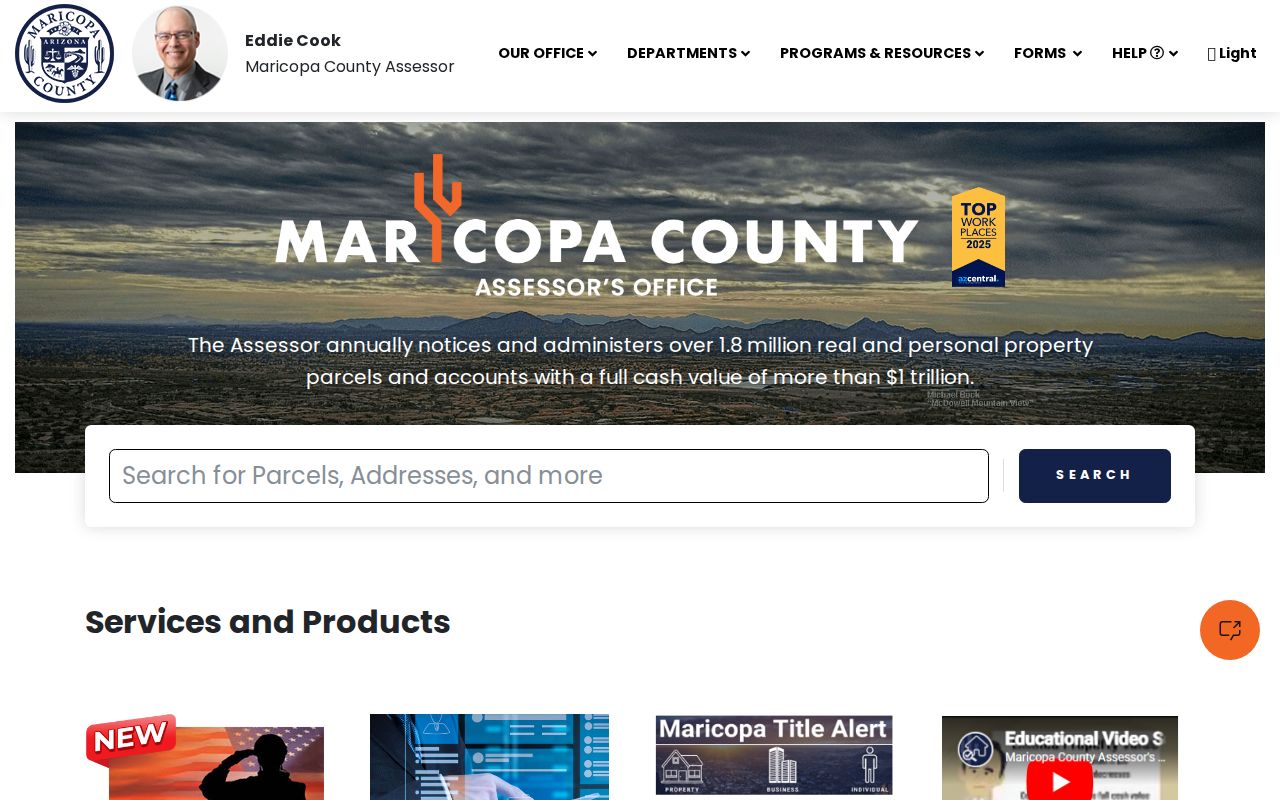
The search screen is a starting point. A parcel card can return the APN, legal description, owner and mailing address, values, map links, and a Recorder deed number. Ordinary lot transfers may take several weeks to appear, so compare a recent deed when timing matters.
Current Phoenix Residents Directory Sources
No official roll lists every Phoenix resident. Instead, current records cover owners, registered voters, parties to recorded instruments, court parties, permit applicants, and people connected to a business entity. A public index is a finding aid, not a claim that the named person still lives at the listed address. The Phoenix residents directory becomes more reliable when two records agree on an identifier or date.
| Official source | People or ties shown | Keeper | Public route |
|---|---|---|---|
| Property roll | Parcel owners and mailing contacts | County Assessor | Free search |
| Recorded documents | Grantors, grantees, trusts, entities | County Recorder | Free index; copies offered |
| Voter information | An authenticated voter’s own status | Recorder and Secretary of State | Self-service portal |
| Court indexes | Named parties in covered cases | Courts and clerks | Index, counter, request, or paid file access |
| Permit and code files | Applicants and contacts tied to an address | Phoenix departments | Portal, counter, email, or records request |
Arizona’s Voter Information Portal illustrates the difference between verification and a public neighborhood list.
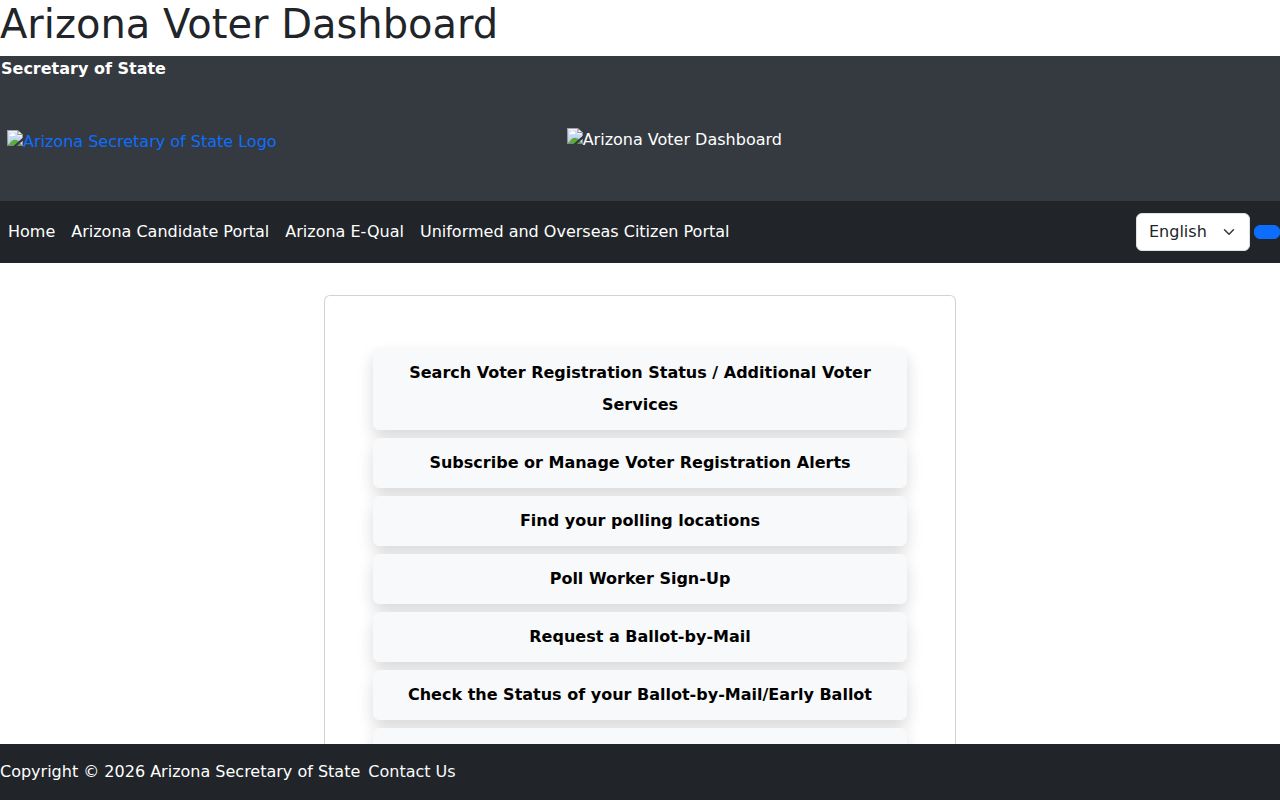
The voter must supply identifying data to see registration status, districts, notices, ballot-by-mail status, and voting history. Bulk voter records follow separate statutory request rules and protected voter details can be withheld.
Phoenix Deeds Form a Name Trail
The Maricopa Recorder reports more than 52 million recorded documents and about 5,000 new indexed documents each day. Its record system reaches to 1871, with a modern search for 1947 forward and a historical docket route for 1871 through 1946. A grantor is the party giving an interest. A grantee receives it. The same index also reaches plats, liens, releases, and other recorded instruments. Search a surname and first name, or use the business-name field for a trust, company, HOA, or subdivision.
Results can show the indexed party, document category, recording number, date, page-image route, and purchase options. An unofficial image is useful for research. A certified copy is issued by the custodian for uses that require official proof. Copies are listed at $1 per page, with a $3 certification charge per document. The Recorder warns that its search is not a title opinion and does not prove present occupancy.
The online name index is only one access channel. A researcher can submit the Recorder’s county request form, download an email or fax form, or arrange in-person inspection when an image or older reference is not clear online. Maricopa Title Alert adds a current fraud-warning tool. It sends a free notice when a monitored name is indexed in a new recorded document, but it does not stop, approve, or validate the filing. Registering reasonable forms of a name helps because the alert is name-based. If a notice looks wrong, compare the recording number, date, legal description, and parcel before contacting the Recorder. This is especially useful for an estate, a vacant parcel, or a family deed that should not have changed. It is not a resident tracker. The notice reports an indexed filing, and the underlying instrument still needs to be read.
Phoenix record scale: A large index improves the trail, but name variants, entity ownership, redaction, and old docket formats still create honest gaps.
Phoenix Records Cross Three Maps
A Phoenix postal address does not prove that land sits within the city boundary. ZIP lines also cross municipal limits. Most Phoenix parcels are in Maricopa County, but a small part of the city reaches into Pinal County. Annexed land may keep older records under an unincorporated-county history. Confirm the parcel and jurisdiction in county GIS before choosing a city office. This step saves time when a Phoenix permit search returns nothing for a valid mailing address.
City files are decentralized. The City Clerk’s index centers on council and official documents, not a roll of residents. Planning and Development holds permit and certificate files. Neighborhood Services maintains code-case channels. Police and Municipal Court use separate records routes. The Phoenix public-records gateway routes a request by department when the online trail ends.
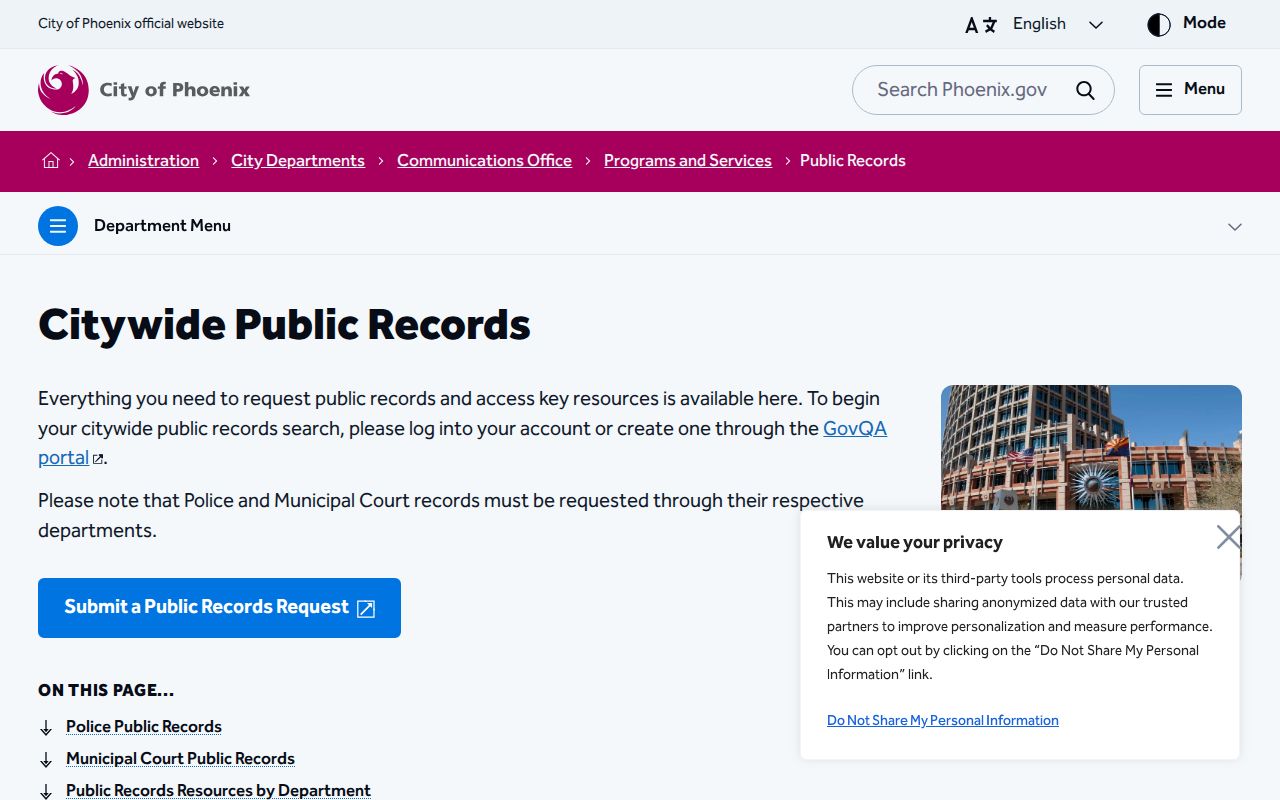
The gateway supports account-based requests, but direct counters, phone contacts, and department email channels remain useful. Arizona Public Records Law requires open inspection during office hours and prompt copies, subject to lawful confidentiality exceptions.
Phoenix Court Lookup Boundaries
The statewide Arizona Public Access Case Lookup can search a person or business by first, middle, and last name, date of birth, court, case type, and date range. Results identify matters through fields such as case number, court, party role, filing date, disposition, and hearing details when available. A docket is the court’s chronological case history. It is not the same as the pleadings, orders, or exhibits in the file.
The Arizona Public Access search is a valuable Phoenix residents directory check, but its Maricopa coverage has major limits.
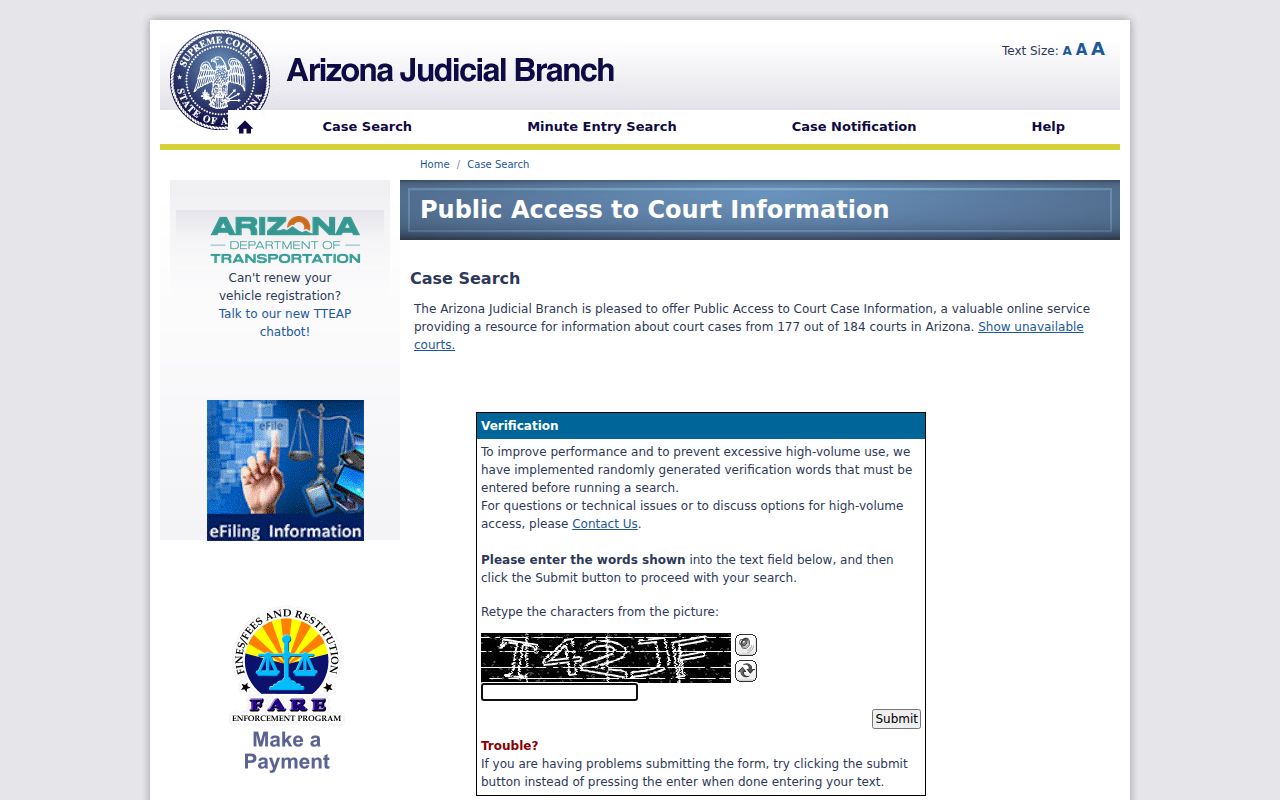
Maricopa contributes Superior Court criminal matters to the statewide search, but not its civil, family, probate, or tax cases. Most Maricopa Justice Court cases are also absent. Use the Maricopa docket, Clerk request channels, eligible eAccess documents, public terminals, or the correct court counter as fallbacks. The statewide screen updates weekly and says that it is not the official court record.
Phoenix Vital Records Stay Restricted
Arizona birth and death registrations are confidential under A.R.S. §36-324. The Maricopa County Office of Vital Registration and Arizona Department of Health Services issue eligible Phoenix certificates. Current agency-facing forms list a $20 certified-copy charge that should be checked when ordering. Applicants must document identity and an eligible relationship or purpose. Mail, walk-in, and approved online vendor routes are available for death certificates; application requirements vary by record and requestor.
The Arizona vital-records service page separates certificate access from the open resident rolls used elsewhere.
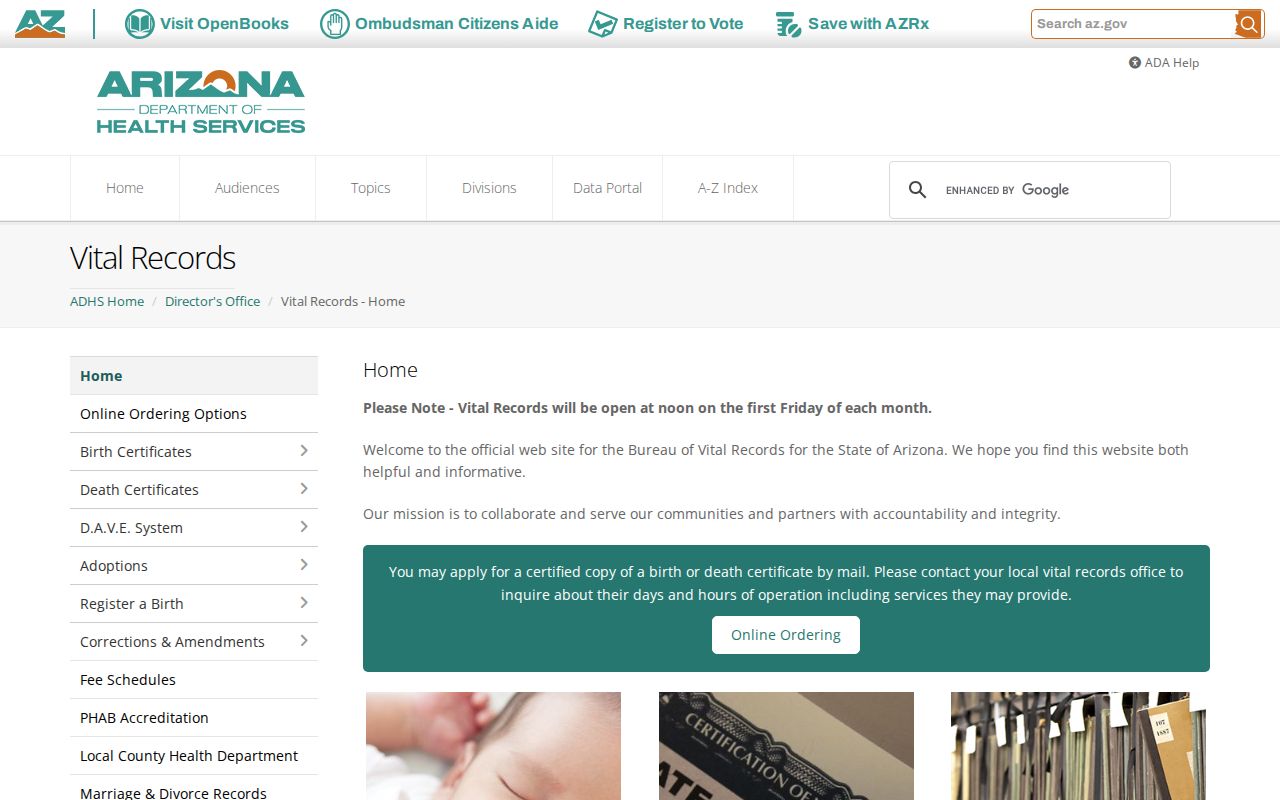
Older genealogy access follows a different rule. The Arizona State Archives public genealogy material identifies births before 1928 and deaths before 1953; A.R.S. §36-351 governs historical transfer and research access. Marriage licenses and divorce files instead run through the Clerk and courts, with sealing and redaction rules still applying.
Reading Historical Phoenix Residents Directories
Phoenix city directory evidence begins with an 1899 volume, followed by runs from several publishers. Arizona Memory has digitized volumes and OCR, while the State Research Library holds city directories in print and microform. Phoenix Public Library’s catalog includes a Greater Phoenix Cole’s directory record. Entries may give a name, spouse, occupation, employer, and address. Later criss-cross sections reverse the order and let a researcher start with a street.
OCR can miss initials, abbreviations, and worn type. Browse the scanned page near a suspected name, consult the abbreviation key, and compare adjacent years. The State Research Library will search a three-year directory range per request. Pair a directory year with federal census schedules through 1950 and Sanborn maps when tracing a family or building. The full collection path belongs to the Phoenix Directory Book.
- Index
- A list that points toward a record or image.
- Criss-cross directory
- A volume arranged by street or phone rather than only by surname.
- Parcel
- A mapped unit of land identified by an APN.
- Roll
- An official list maintained for a defined public function.
Phoenix Reconnection and Heir Paths
Personal research often starts with a family name and an old Phoenix tie. Probate files may identify heirs when the statewide case portal does not. Yearbooks and city directories can reconnect former classmates. Adoption-related searches must follow Arizona’s official confidential-intermediary and consent routes rather than attempting to defeat protected records. Community-Driven Archives add oral histories, photographs, and neighborhood context that an old alphabetical directory often leaves out.
Arizona’s official unclaimed-property program offers another lawful clue. Search and claims help are free through the state. The Arizona Unclaimed Property resource shows the official search and claim route.
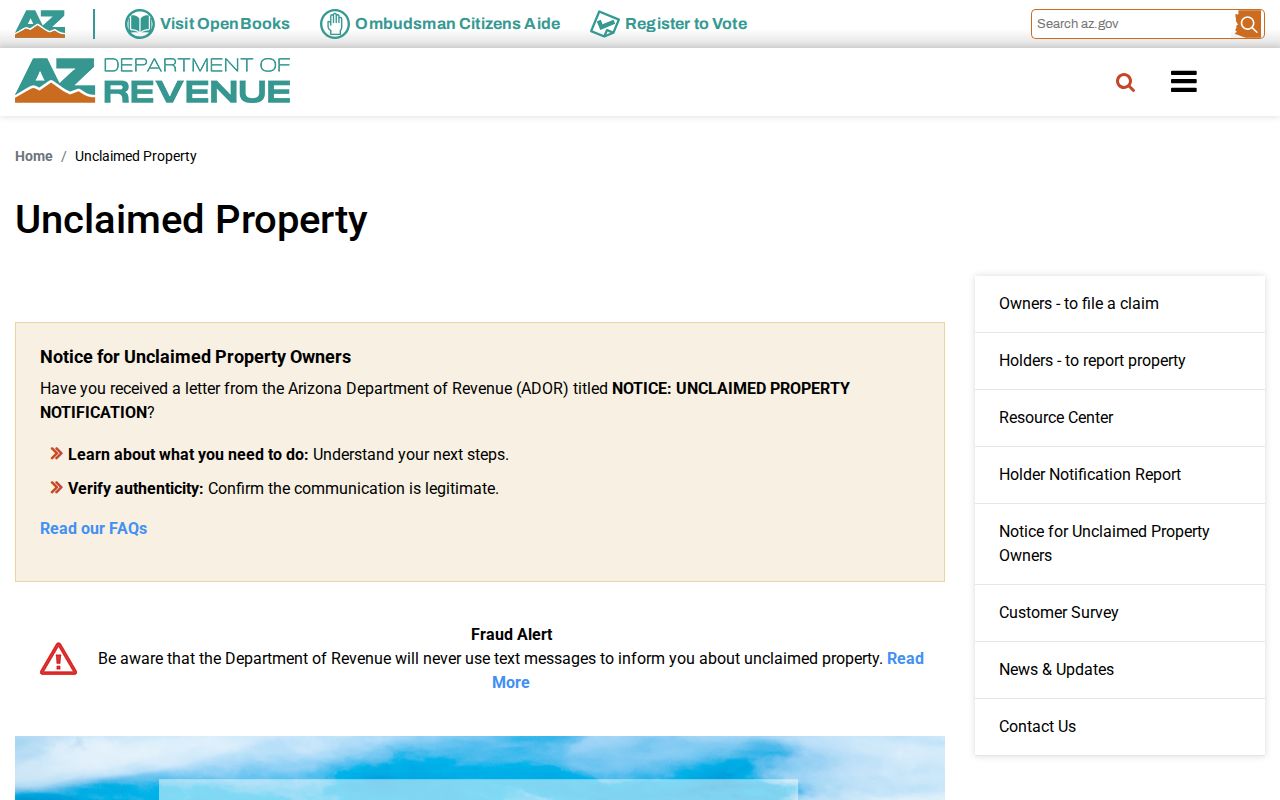
An unclaimed-property match can support a name and former address, but it does not prove a person’s current Phoenix home. Use the state claim process and never pay a message claiming that an advance fee is required to release state-held property.
Phoenix Business Names Need Context
A person may appear through a corporation, professional board, permit, deed, or trust rather than a home-address record. Arizona Corporation Commission entity results can show the entity name, status, statutory agent, principals, and filing addresses. Those fields establish a public business tie. They are not proof of residence. The same caution applies to a professional license address or a contractor name in a permit file.
The Arizona Corporation Commission entity search is useful when a deed or permit names a company.
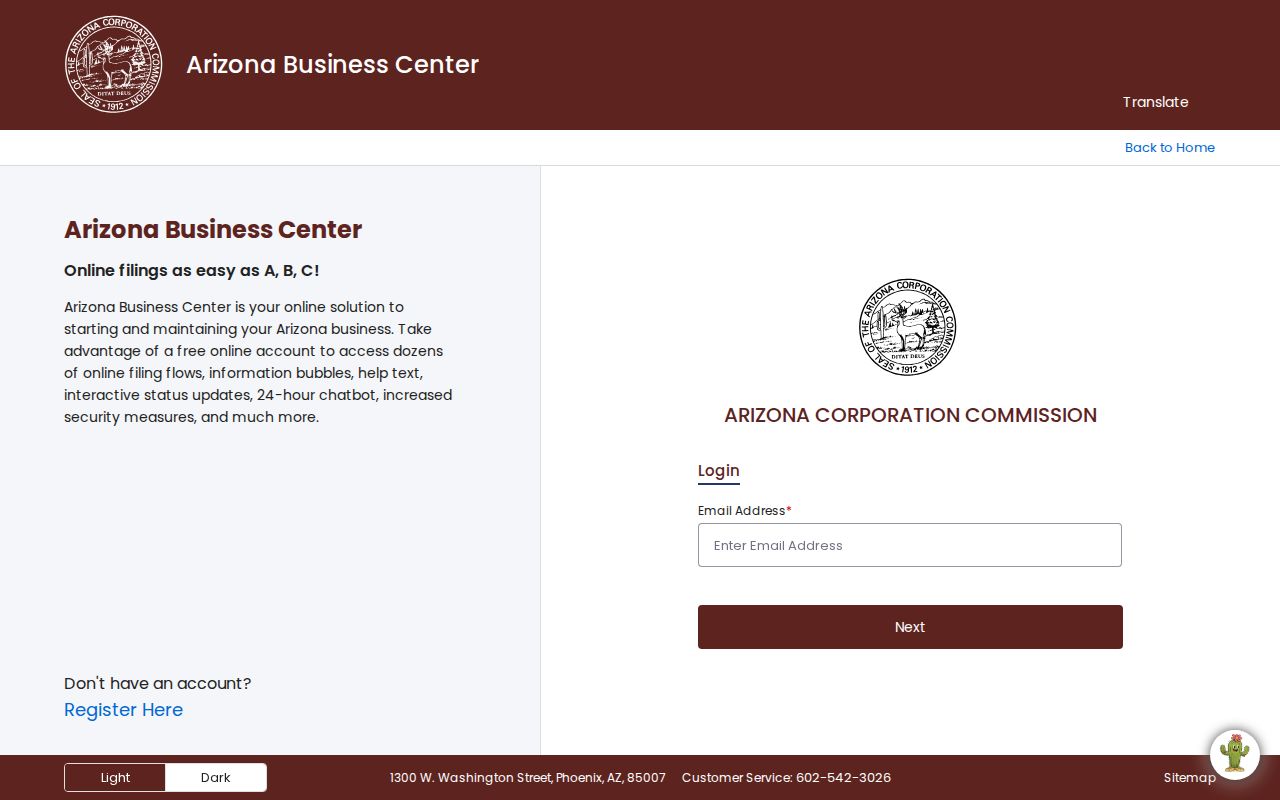
Compare the entity’s exact legal name and filing date with the recorded instrument. If the business owns the parcel, search that business name in the Recorder index. Keep the business address labeled as a business clue so it is not mistaken for a household location.
Protected Phoenix Residents Leave Gaps
Arizona’s Address Confidentiality Program gives eligible survivors a substitute address and mail-forwarding service. Protected voter information can also be withheld under A.R.S. §16-153. The program does not erase older deeds, directories, or web copies that were already public. A missing current address may therefore reflect a valid protection rather than a weak search. Respect that boundary and do not try to join scattered clues to defeat it.
Commercial people-finder results may merge unrelated people, retain old addresses, or omit where a claim came from. Official indexes also have limits, but they identify a custodian and a defined record. Use the Phoenix residents directory for family history, civic research, estate work, scam checks, and other lawful personal purposes. Do not use any record to stalk, harass, threaten, or harm someone.
| Source type | Strength | Key limit |
|---|---|---|
| Official index | Named custodian and record function | May omit files, years, or protected data |
| Certified copy | Custodian-issued official copy | Fees and eligibility can apply |
| Commercial compilation | Can collect broad clues | Source, date, and identity may be unclear |
Note: Record a source, retrieval date, spelling, and search filters so later Phoenix results can be compared without overstating what any screen proves.